
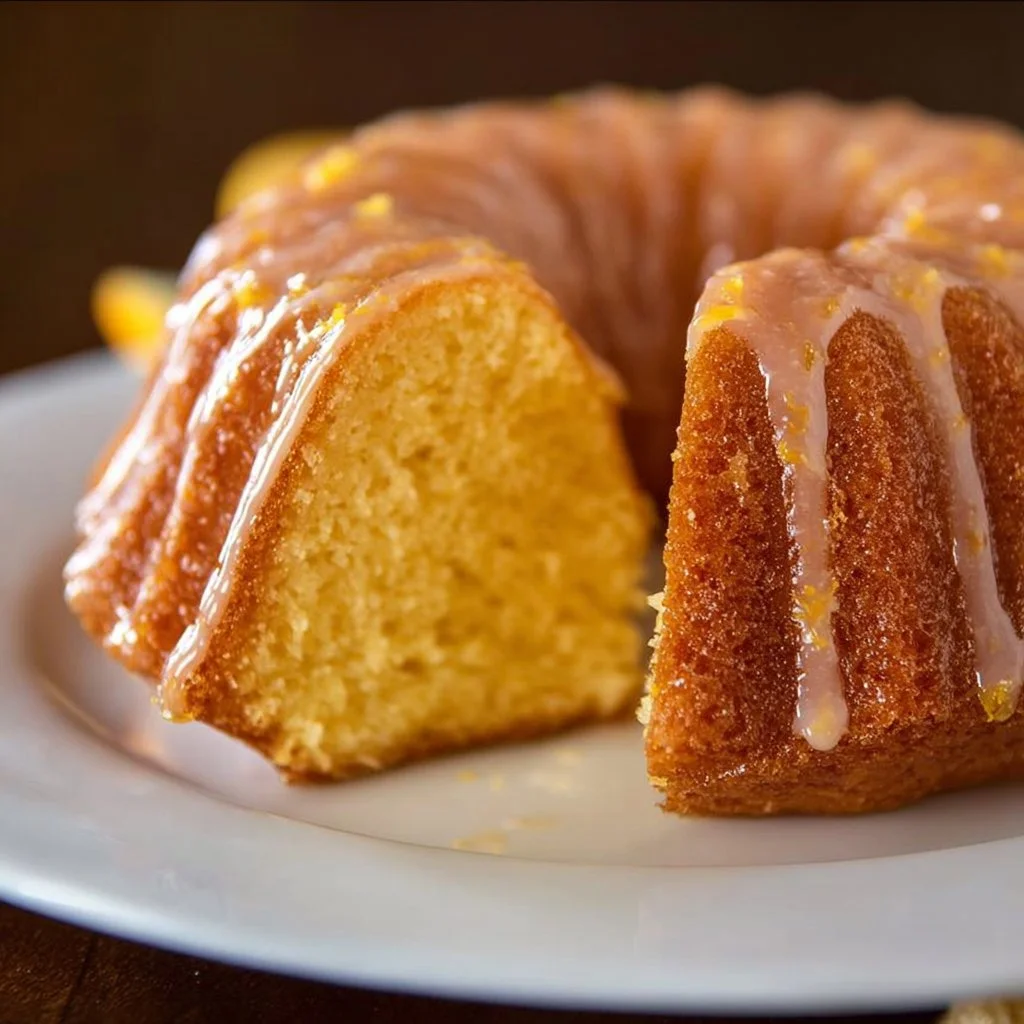
Orange Bundt Cake delivers a burst of citrus flavor that brightens up any gathering. Its moist texture and delightful aroma can elevate your dessert table, making it a favorite among family and friends. Whether you’re baking for a special occasion or just treating yourself, this cake offers both simplicity and satisfaction.
Why We Love This Orange Bundt Cake
This Orange Bundt Cake stands out for its vibrant flavor and appealing presentation. The use of fresh oranges infuses the cake with a natural sweetness while the zest provides a refreshing depth. The Bundt shape not only looks impressive but also allows for even baking, ensuring a perfect crumb every time. It’s an ideal choice for various occasions, from birthdays to casual brunches. Plus, its straightforward preparation makes it accessible for bakers of any skill level. You can enjoy each slice plain, or drizzle it with glaze for an extra touch of sweetness.
Ingredients for Orange Bundt Cake
- 2 cups all-purpose flour
- 2 teaspoons baking powder
- 1/2 teaspoon baking soda
- 1/2 teaspoon salt
- 1 cup unsalted butter, softened
- 2 cups sugar
- 4 large eggs
- 1 tablespoon orange zest
- 1 cup fresh orange juice
- 1 teaspoon vanilla extract
Directions
- Preheat your oven to 350°F (175°C). Grease and flour a Bundt pan to prevent sticking.
- In a medium bowl, whisk together the flour, baking powder, baking soda, and salt. Set this aside.
- In a large mixing bowl, cream the softened butter and sugar together until light and fluffy.
- Add the eggs, one at a time, beating well after each addition.
- Mix in the orange zest and vanilla extract until combined.
- Slowly incorporate the dry ingredients into the wet mixture, alternating with the fresh orange juice. Start and end with the dry ingredients, mixing until everything is just combined. Avoid overmixing.
- Pour the batter into the prepared Bundt pan, smoothing the top with a spatula.
- Bake in the preheated oven for 50–60 minutes, or until a toothpick inserted into the center comes out clean.
- Allow the cake to cool in the pan for 10 minutes. Then, carefully invert it onto a wire rack to cool completely.
How to Serve Orange Bundt Cake
Serving your Orange Bundt Cake can be as simple or as elaborate as you like. To start, make sure the cake is completely cooled before slicing it to maintain its structure and moisture. A clean, serrated knife works well for cutting even slices. You can serve each slice plain to enjoy its fresh flavor or add a delightful twist by drizzling a simple glaze made from powdered sugar and fresh orange juice over the top.
Consider garnishing the cake with some additional orange zest or thin slices of orange to enhance its visual appeal. For a more festive occasion, add a dollop of whipped cream or serve alongside a scoop of vanilla ice cream. This combination not only enhances the taste but also adds a playful element to your dessert. If you’re hosting a brunch, presenting the cake on a beautiful serving stand can make a stunning centerpiece.
Expert Tips for Orange Bundt Cake
When baking an Orange Bundt Cake, a few expert tips can help ensure spectacular results. First, always use room temperature ingredients; this helps them blend together more easily, leading to a smoother batter. For the best flavor, opt for fresh oranges to extract juice and zest, as they provide a lively taste compared to bottled alternatives.
Also, be mindful of the mixing process. Overmixing can lead to a dense cake, so mix just until combined. To enhance the cake’s flavor further, consider letting it rest overnight after baking. This allows the flavors to meld, creating a richer taste.
If you want to add additional flavors, experiment with spices like ground cinnamon or nutmeg in your batter. However, remember that the star of the show should still be the orange flavor. Lastly, when it comes to glazing, a thin glaze will penetrate the crumb beautifully, creating a moist and flavorful cake without overwhelming the orange essence.
How to Store Orange Bundt Cake
Storing your Orange Bundt Cake properly will help maintain its freshness for several days. Once the cake has cooled completely, wrap it tightly in plastic wrap or aluminum foil. This prevents excess moisture loss and keeps the cake soft. You can leave it at room temperature for up to three days, ensuring it remains in a cool, dry place away from direct sunlight.
If you wish to extend its life even further, consider freezing it. To freeze the cake, wrap it securely in plastic wrap and place it inside a freezer-safe bag or container. It can be stored in the freezer for up to three months. When you’re ready to enjoy it, simply thaw it in the refrigerator overnight. You can also heat slices in the microwave for a warm treat whenever a craving strikes.
Variations of Orange Bundt Cake
While the classic Orange Bundt Cake is delicious on its own, you can get creative with various variations to suit your taste preferences. For a richer flavor, try incorporating dark chocolate chips or chunks into the batter. The bittersweet chocolate complements the orange perfectly, creating a decadent dessert.
For a tropical twist, you can add crushed pineapple to the batter, balancing its sweetness with the citrusy fragrance. Alternatively, consider creating a marble effect by swirling in some chocolate or vanilla batter before baking. Simply divide your cake mixture, flavor half with cocoa powder, and then layer it in the Bundt pan for a striking visual effect.
If you’re looking for a healthier option, substitute some of the all-purpose flour with whole wheat flour, or replace part of the sugar with a natural sweetener like honey or maple syrup. Besides, infusing your icing with flavors like coconut or ginger can provide an exciting contrast to the orange.
FAQ about Orange Bundt Cake
Creating the perfect Orange Bundt Cake can raise various questions. One common query is whether you can use bottled orange juice instead of fresh. While bottled juice works in a pinch, fresh juice provides a stronger flavor and brighter aroma that enhances the cake’s overall taste.
Another frequently asked question revolves around the type of flour to use. All-purpose flour is the best choice for a light and fluffy texture. However, if you want a denser cake, you could try using cake flour.
People often wonder how to tell when the cake is done. The conventional toothpick test works well; if it comes out clean, your cake is finished baking. Lastly, many bakers ask if they can make this cake a day ahead. Yes, preparing it ahead of time often enhances the flavors as the cake rests. Just make sure to store it properly to keep it moist and fresh for serving.
Orange Bundt Cake
Ingredients
Dry Ingredients
- 2 cups all-purpose flour
- 2 teaspoons baking powder
- 1/2 teaspoon baking soda
- 1/2 teaspoon salt
Wet Ingredients
- 1 cup unsalted butter, softened
- 2 cups sugar
- 4 large eggs
- 1 tablespoon orange zest
- 1 cup fresh orange juice
- 1 teaspoon vanilla extract
Instructions
Preparation
- Preheat your oven to 350°F (175°C). Grease and flour a Bundt pan to prevent sticking.
- In a medium bowl, whisk together the flour, baking powder, baking soda, and salt. Set this aside.
- In a large mixing bowl, cream the softened butter and sugar together until light and fluffy.
- Add the eggs, one at a time, beating well after each addition.
- Mix in the orange zest and vanilla extract until combined.
- Slowly incorporate the dry ingredients into the wet mixture, alternating with the fresh orange juice. Start and end with the dry ingredients, mixing until everything is just combined. Avoid overmixing.
Baking
- Pour the batter into the prepared Bundt pan, smoothing the top with a spatula.
- Bake in the preheated oven for 50–60 minutes, or until a toothpick inserted into the center comes out clean.
- Allow the cake to cool in the pan for 10 minutes. Then, carefully invert it onto a wire rack to cool completely.